The Quiet Authority of an Understated Palette
Plaster, clay, sage, and shadow — on the color combinations that age slowly and never raise their voice.
By Samuel Vaden
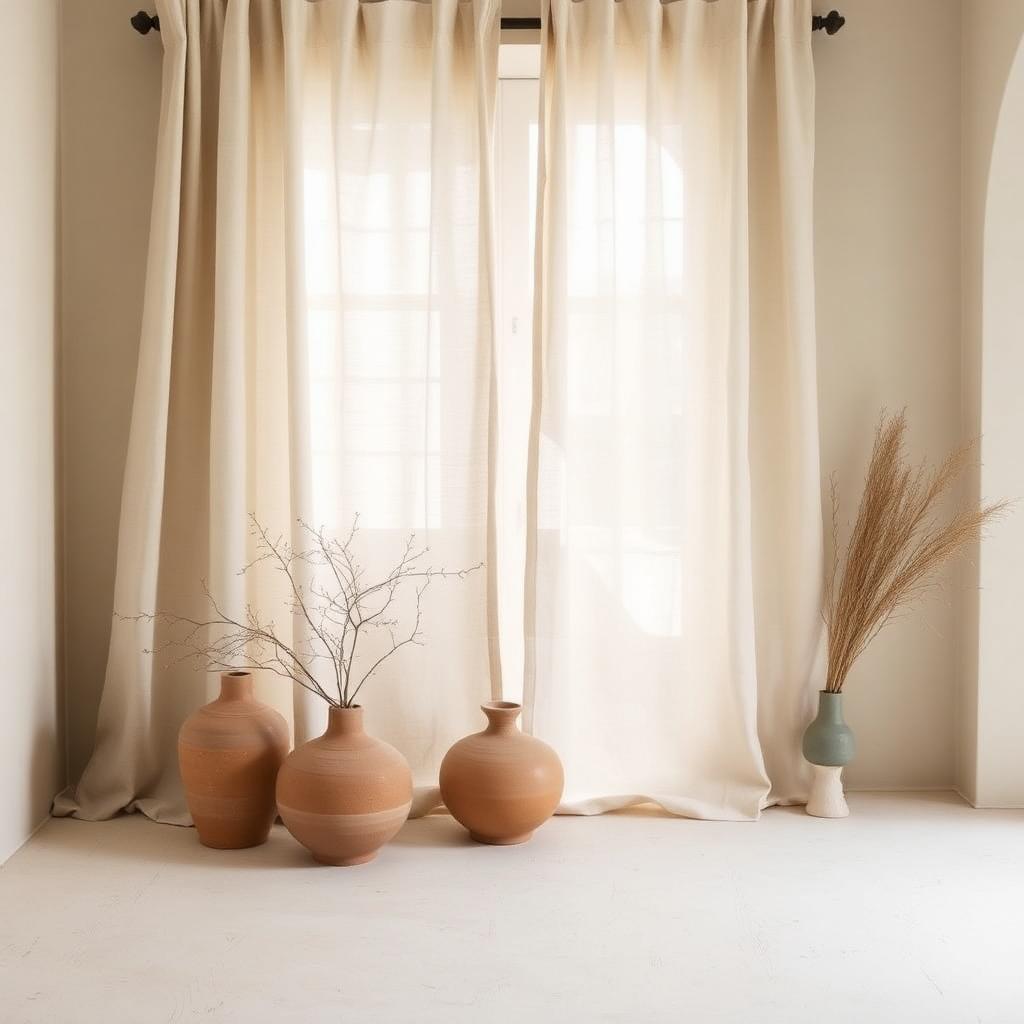
The most considered interiors we know contain almost no color, and they are saturated. That is the paradox at the heart of the discipline. A room composed in plaster, clay, sage, and shadow is not a beige room. It is a room in which every surface has been chosen for the way it holds light, and in which the color is doing nearly all the work of organizing how a body moves through the space.
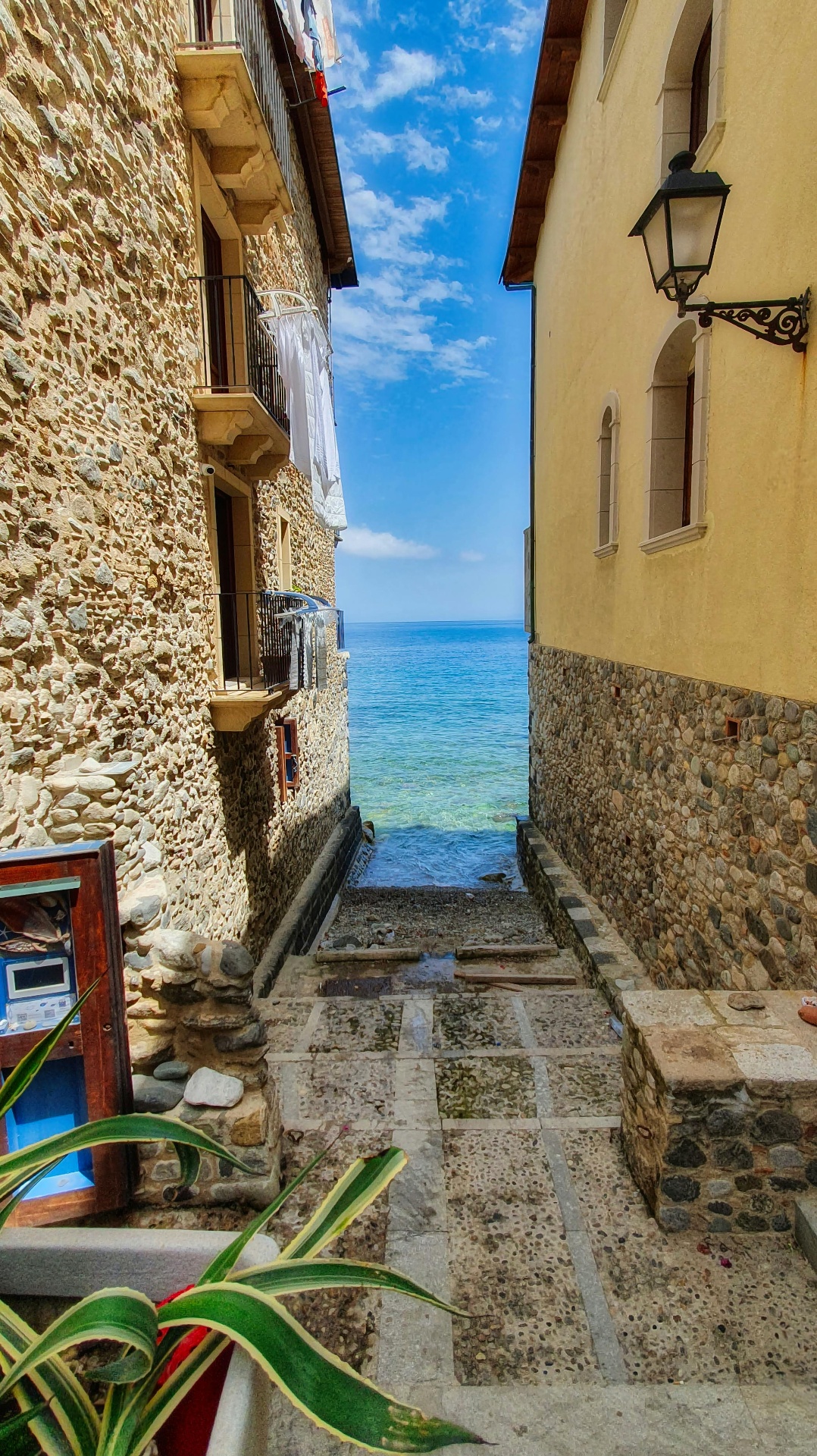
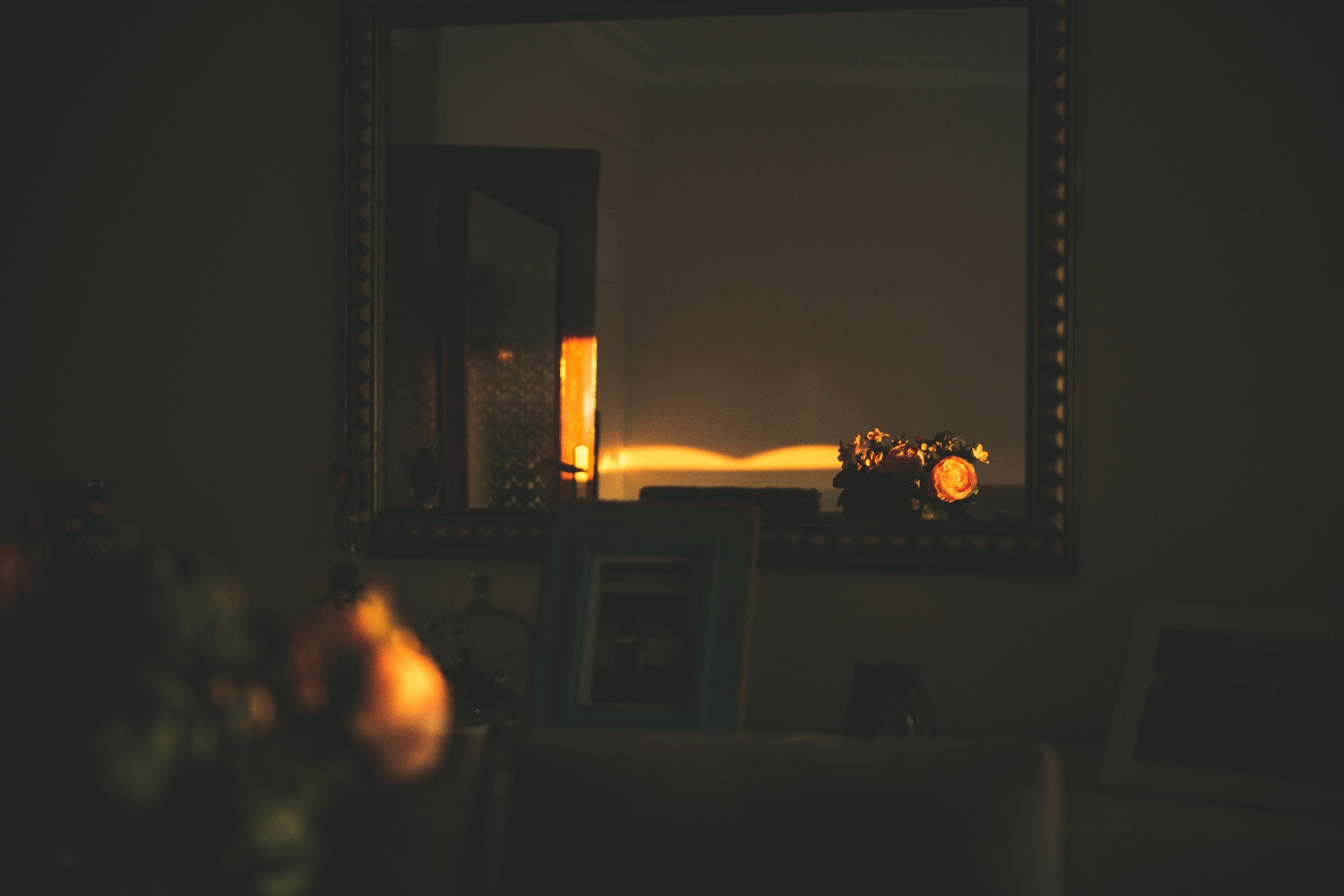
There is a vocabulary worth learning. Limewash and clay plasters - the soft, mineral finishes used for centuries from Marrakesh to Puglia - are not paint. They are a wall that breathes, that absorbs and releases light over the day, that ages into a deeper version of itself rather than degrading from a brighter one. Their color is never flat. A wall finished in a warm white plaster will read cream at ten in the morning, ivory at two, and a faint rose at six. That single wall is doing the work that, in a lesser room, would be done by a gallery's worth of pigment.
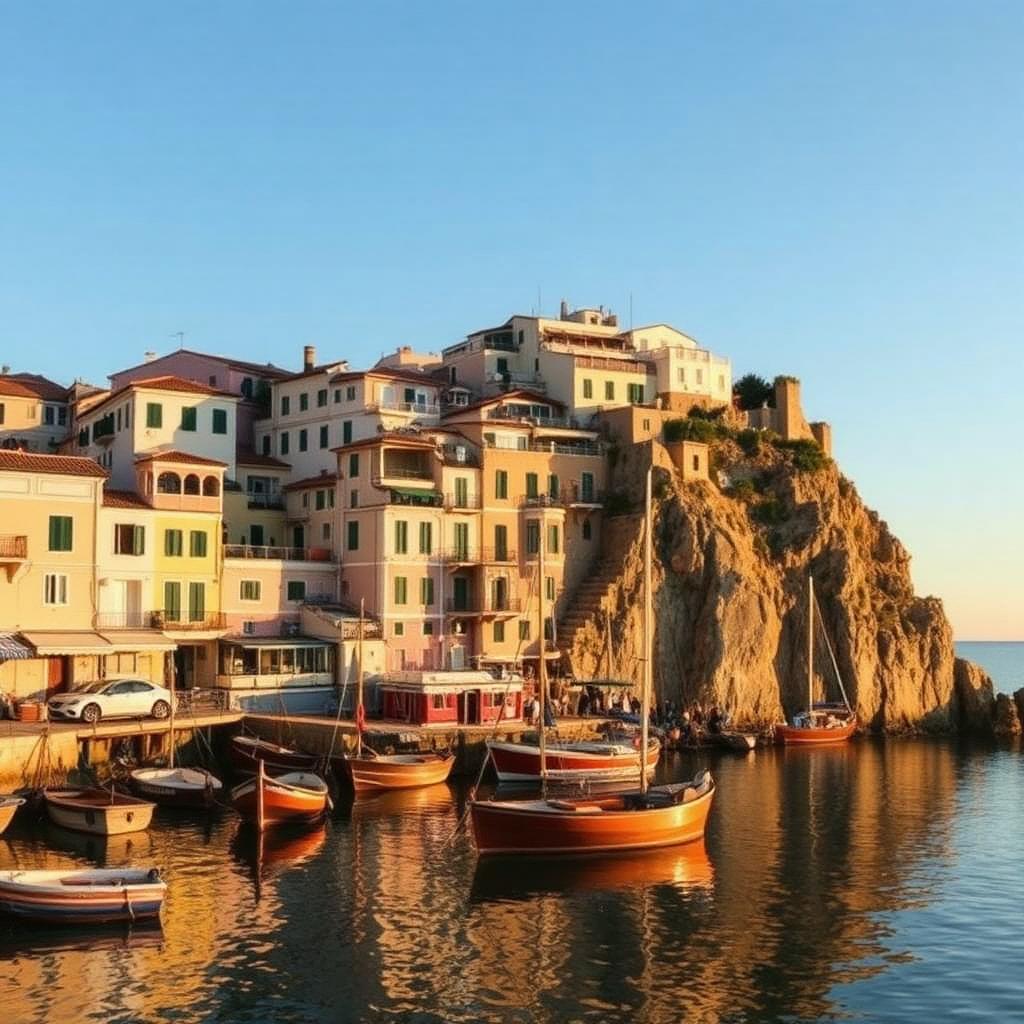
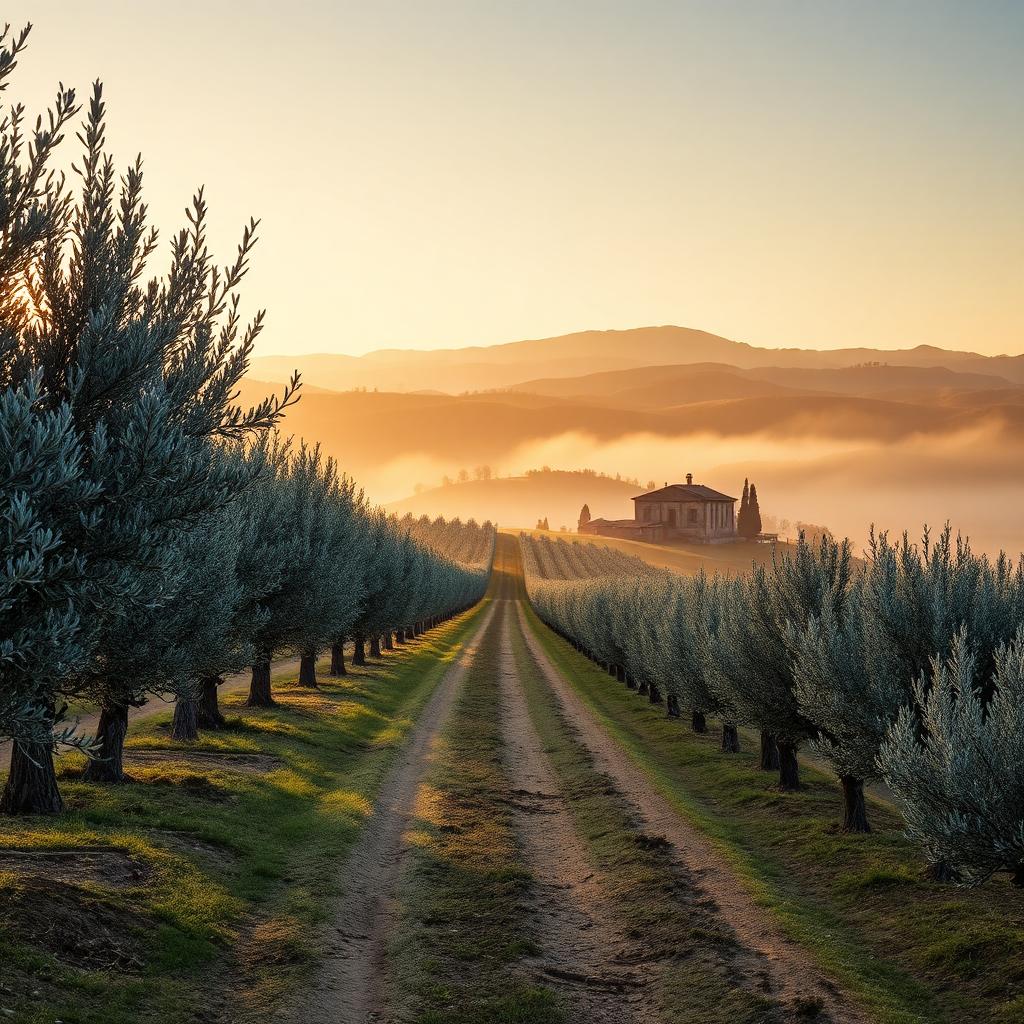
The combinations we keep returning to are not coincidental. They are drawn from the regional traditions that figured these things out over centuries, without the help of color forecasting. There is the Provençal trio - bone white, dusty olive, faded terracotta - that organizes a thousand farmhouses from Lourmarin to Bonnieux. There is the Cycladic pair - lime white and the precise blue of the late-afternoon Aegean - that needs no third color because the sky is the third color. There is the Japanese palette of unbleached linen, charcoal sumi, and the warm grey of weathered cedar that produces a room in which nothing competes with the view of the garden.
“The most expensive thing in a room is restraint, and it is also the only thing that does not age.”
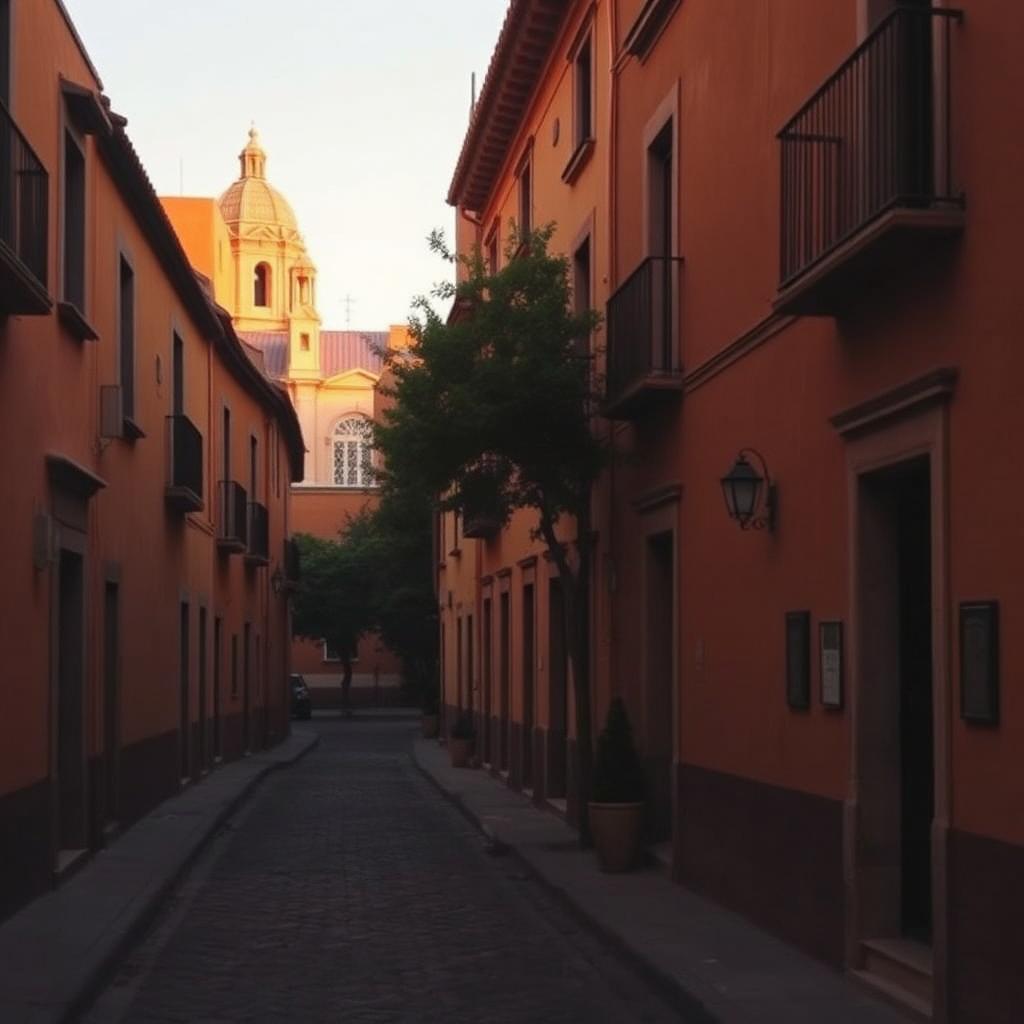
Closer to our practice: a Florentine palette of pietra serena grey, plaster cream, and the dull green of an old shutter. A Lisbon palette of tile white, indigo, and the salmon of the rooftiles seen from above. A San Miguel palette of pink ochre, lime white, and the deep cool blue used historically on doors and window frames. Each of these is an authored decision, made by a place over generations, and each holds together because it has been pressure-tested by the actual light of the city in which it was developed.
The mistake we see most often, in residences acquired by international clients, is the imposition of a palette that belongs somewhere else. A Scandinavian white in a Roman apartment goes flat and lifeless under the southern sun. A Provençal terracotta in a London townhouse becomes muddy under the grey winter light. The palette must be chosen in conversation with the latitude, the orientation, the season of longest occupancy. A residence used in summer and a residence used in winter want different colors, even if the city is the same.
Our quiet rule, after years of watching rooms age: hold the field colors - walls, floors, large textiles - within three or four steps of one another in value and temperature, and let the contrast come from one small, deliberate, sometimes almost severe accent. A black iron lamp against limewash. A single deep aubergine cushion in a room of stone and oat. A length of indigo linen across a bone-white bed. The room becomes legible. The eye knows where to rest. And the palette, having raised its voice exactly once, stays beautiful for a very long time.