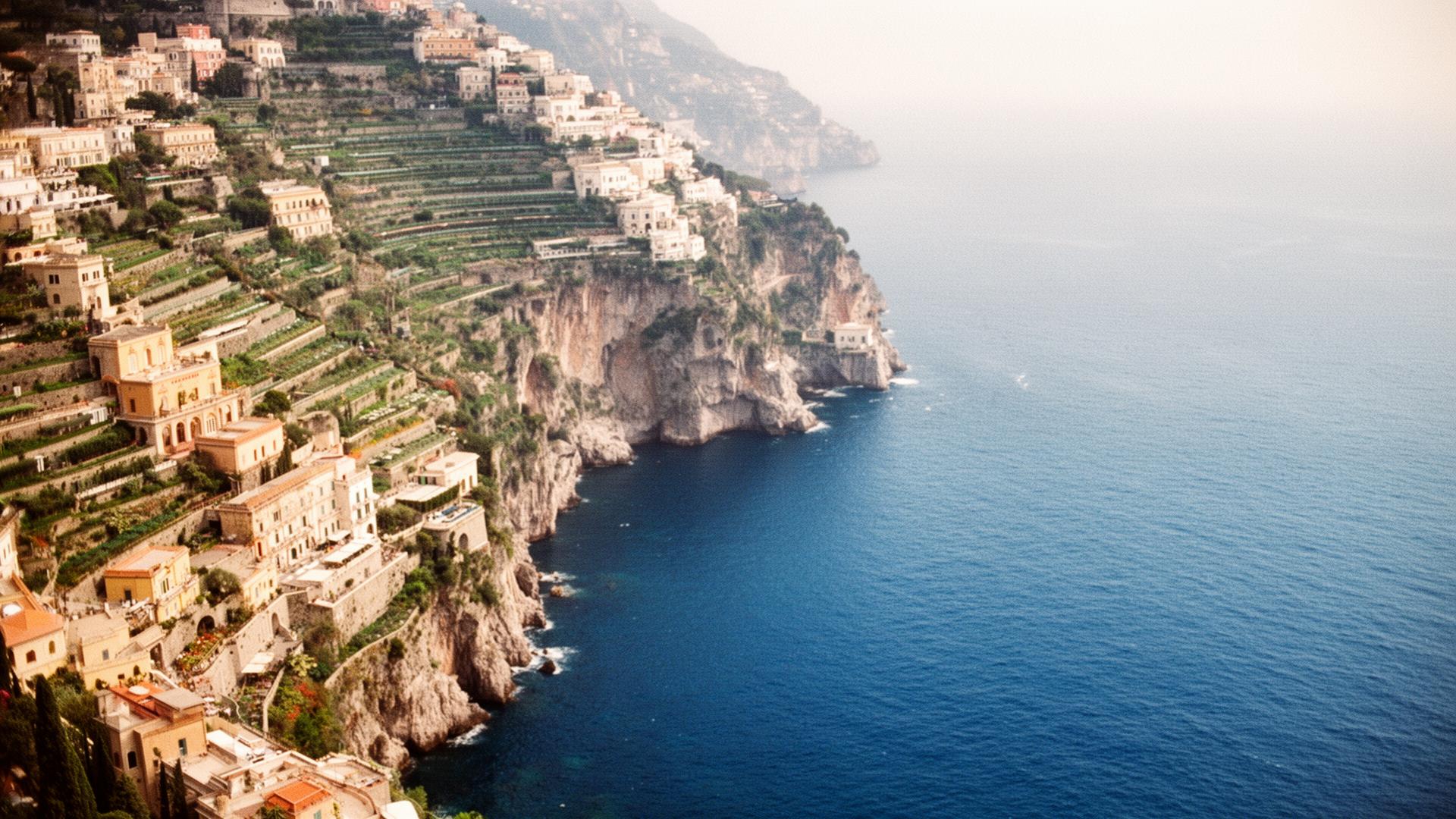
San Miguel de Allende: The Town That Teaches You to See
On cobblestone, jacaranda, and the quiet altitude of a Mexican town that slows the eye until it notices everything.
By Samuel Vaden
There is a particular altitude at which the mind quiets. San Miguel de Allende sits at it. Six thousand four hundred feet above the Pacific, on a high plateau in Mexico's Bajío, the air is thin enough to slow the body and warm enough to keep the door open most evenings of the year. The town does not announce itself. It is reached only by a drive from León or Querétaro, which is part of the point. Arrival is earned.
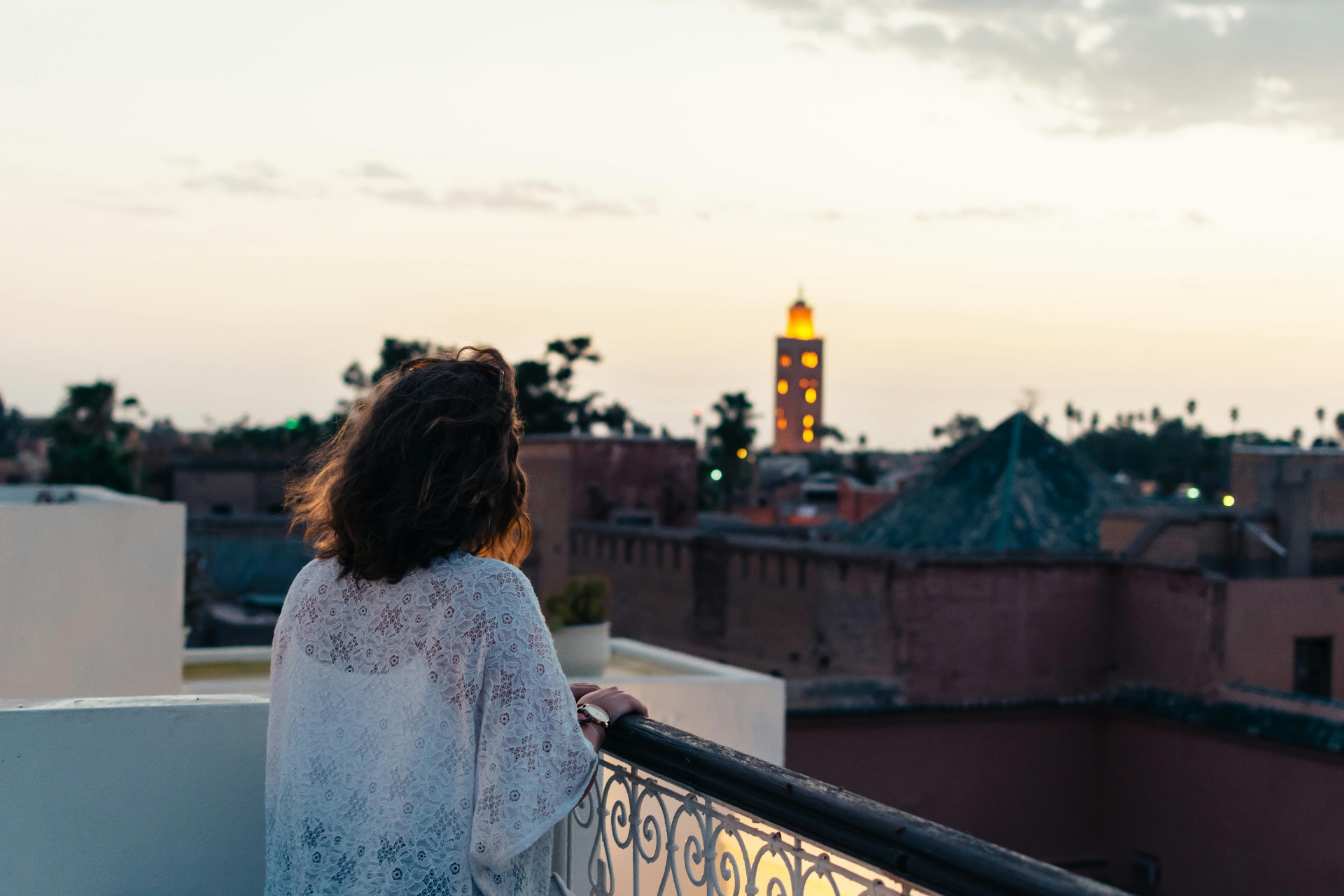
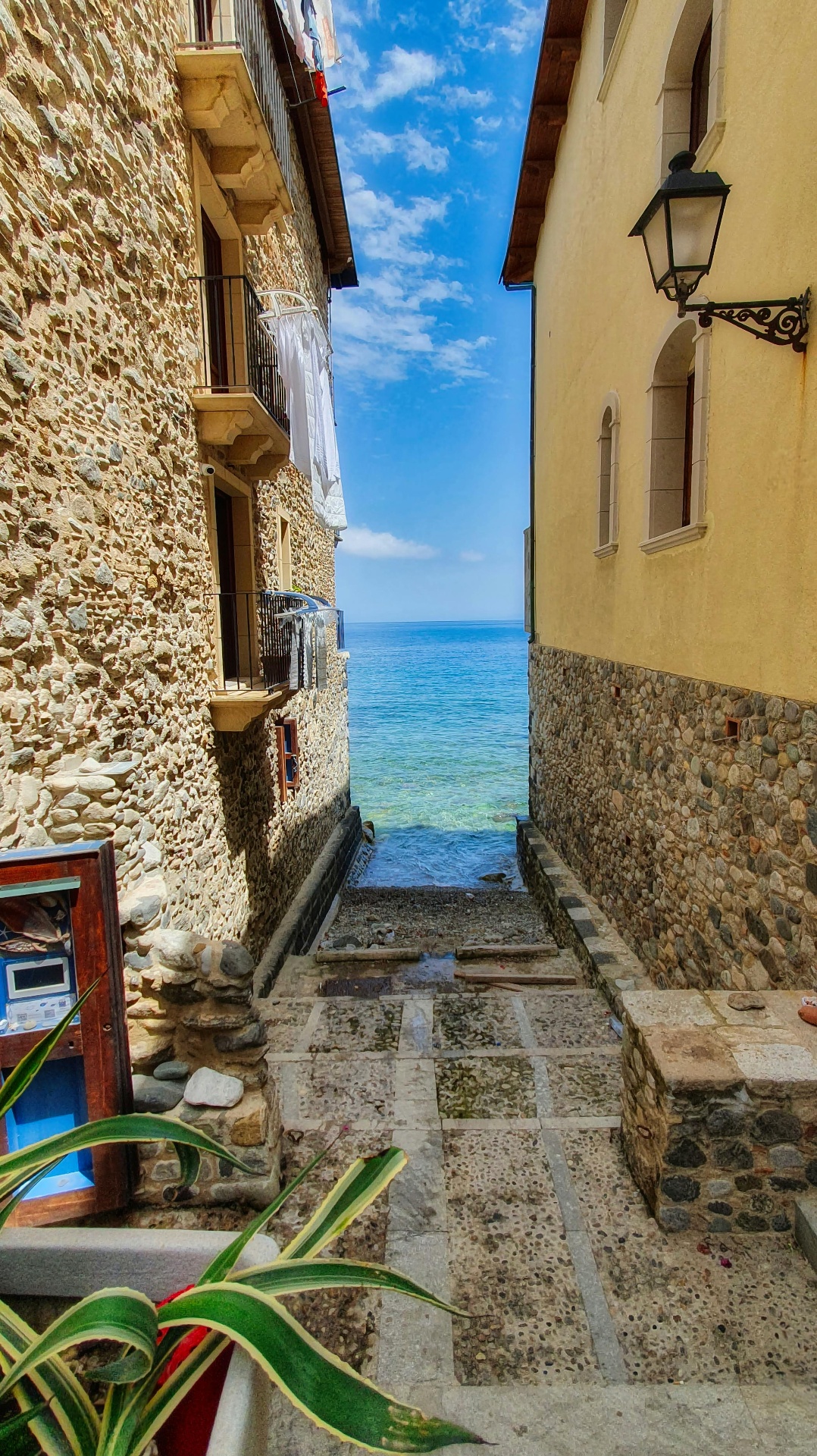
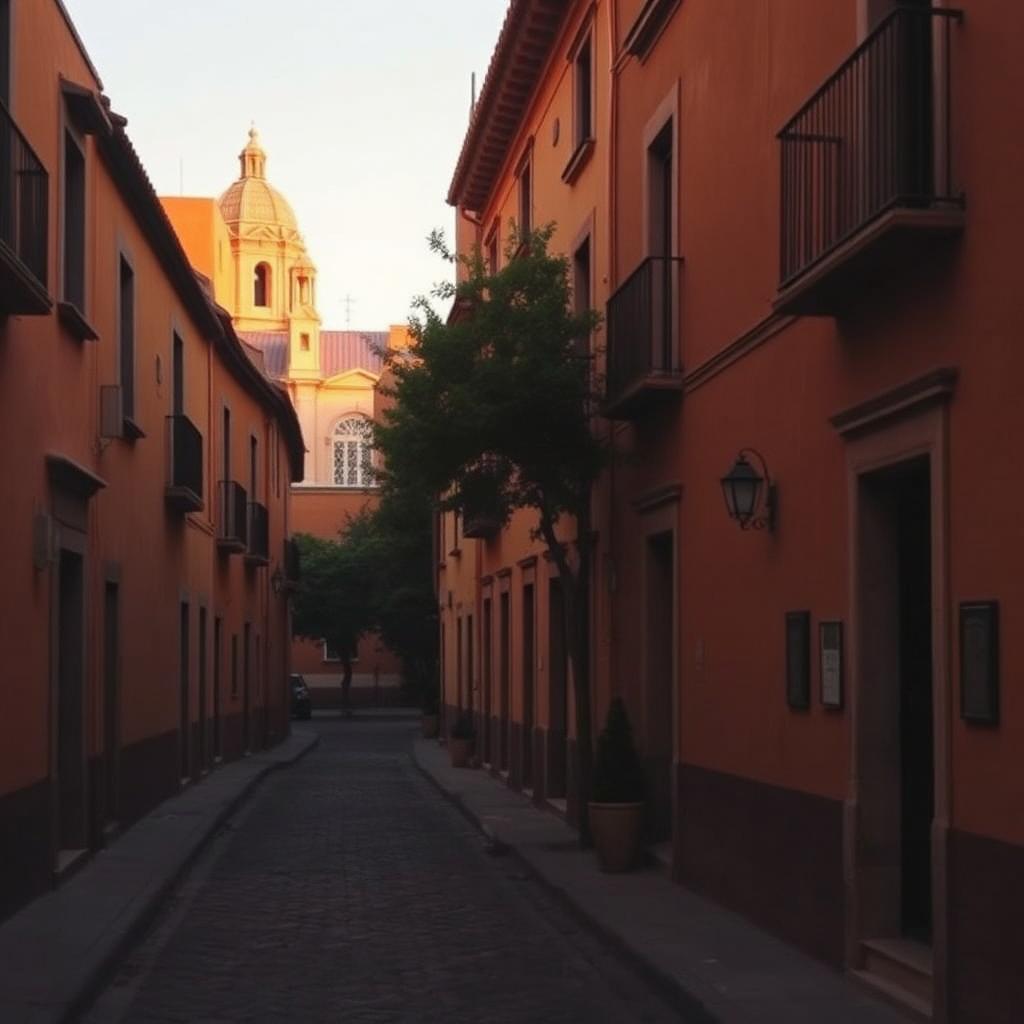
What one finds, on arrival, is a town composed almost entirely of soft pink and ochre walls, of jacarandas dropping violet flowers onto cobblestone, of a pink-stone parroquia that becomes a different building four times a day depending on the angle of the sun. UNESCO designated the historic center in 2008. The protection is real. The skyline is unchanged. There is no neon. There are almost no signs. A restaurant is identified by a small wooden door and the name of the family that opens it.
What is harder to convey is the way the town teaches the eye. After a week, one begins to notice the particular grain of a 17th-century beam, the precise rust on a hand-forged hinge, the way light enters a courtyard through a single high window and lands on a single terracotta tile. The town has been a sanctuary for painters, writers, weavers, ceramicists, and silversmiths since the 1940s, when American GIs arrived to study at the Instituto Allende on the GI Bill. That artistic gravity has compounded for eighty years. The result is a place where craft is not boutique. It is the operating system.
“San Miguel does not ask for your attention. It rewards it, slowly, in a currency the rest of the world has forgotten how to spend.”
The architecture inside the colonial walls is what surprises clients most. From the street, the houses are anonymous - a wooden door, a small grille, a number. Behind the door, often, is a courtyard with a fountain, three or four hundred square meters of garden, a chapel, a roof terrace that looks across the whole town to the Sierra de los Picachos. This duality - severe outside, expansive within - is a kind of moral lesson about how to live well in plain sight.
The pied-à-terre case for San Miguel is uncomplicated. It is one of the safest cities in Mexico, with a long-established expatriate and Mexican-creative community that knows it and protects it. The cost of acquiring and operating a beautifully restored colonial casona is a fraction of what an equivalent residence would cost in Florence, Provence, or Aspen. The international airport at León is ninety minutes away, with direct flights to Houston, Dallas, and Los Angeles. The climate is, by most measures, the most temperate in the Americas.
But none of that is why one acquires here. One acquires here for the late-afternoon light on a pink stone wall, for the bell of the parroquia ringing into a courtyard supper, for the discipline of a town that has decided, collectively, what it will and will not become. San Miguel is the rare address that does not require explanation. It only requires presence. The rest, in time, takes care of itself.