The Most Singular Aperitivos in Europe
A short, opinionated atlas of the bars, terraces, and quiet hours where the evening is poured before it is eaten.
By Samuel Vaden
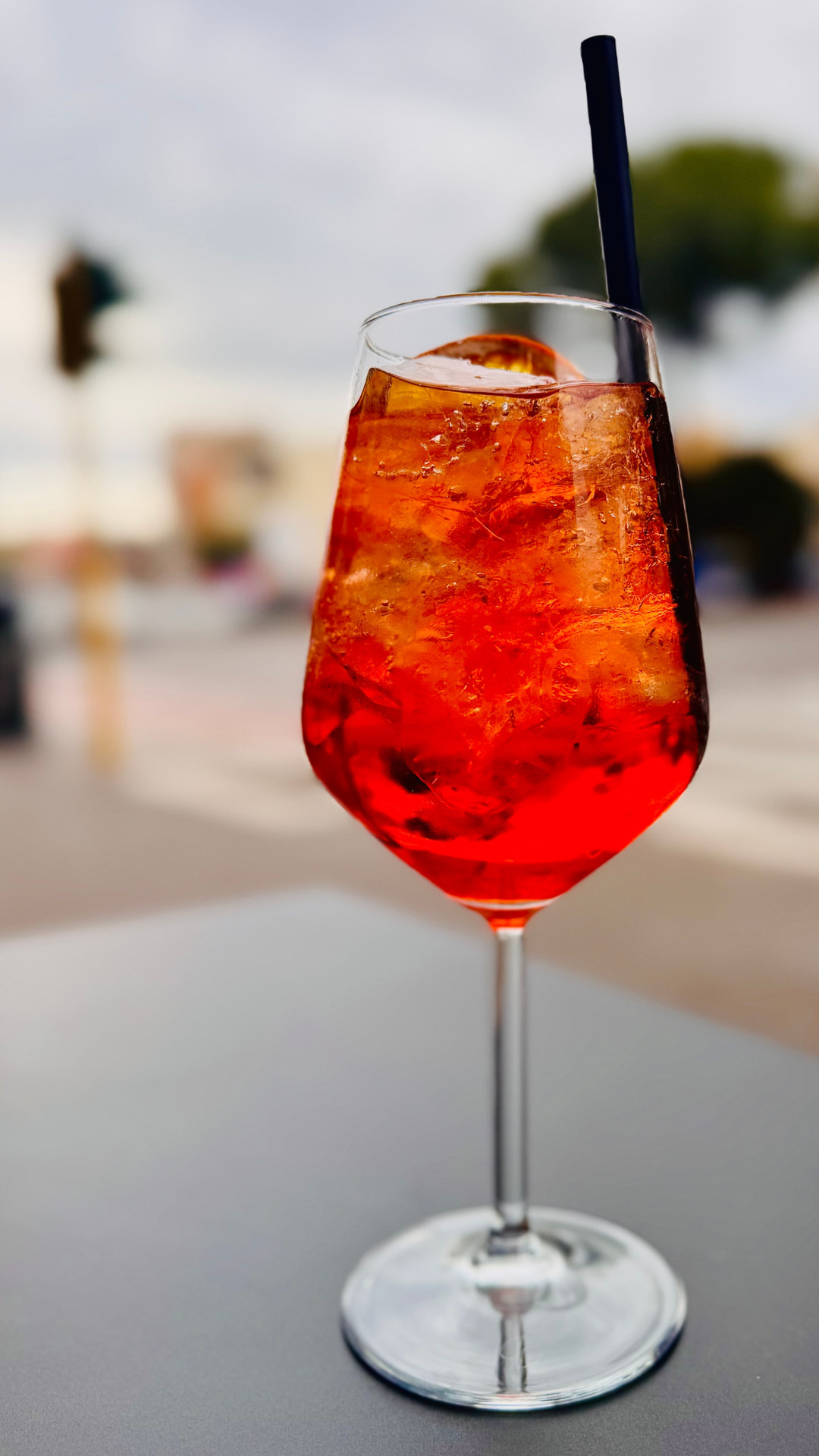
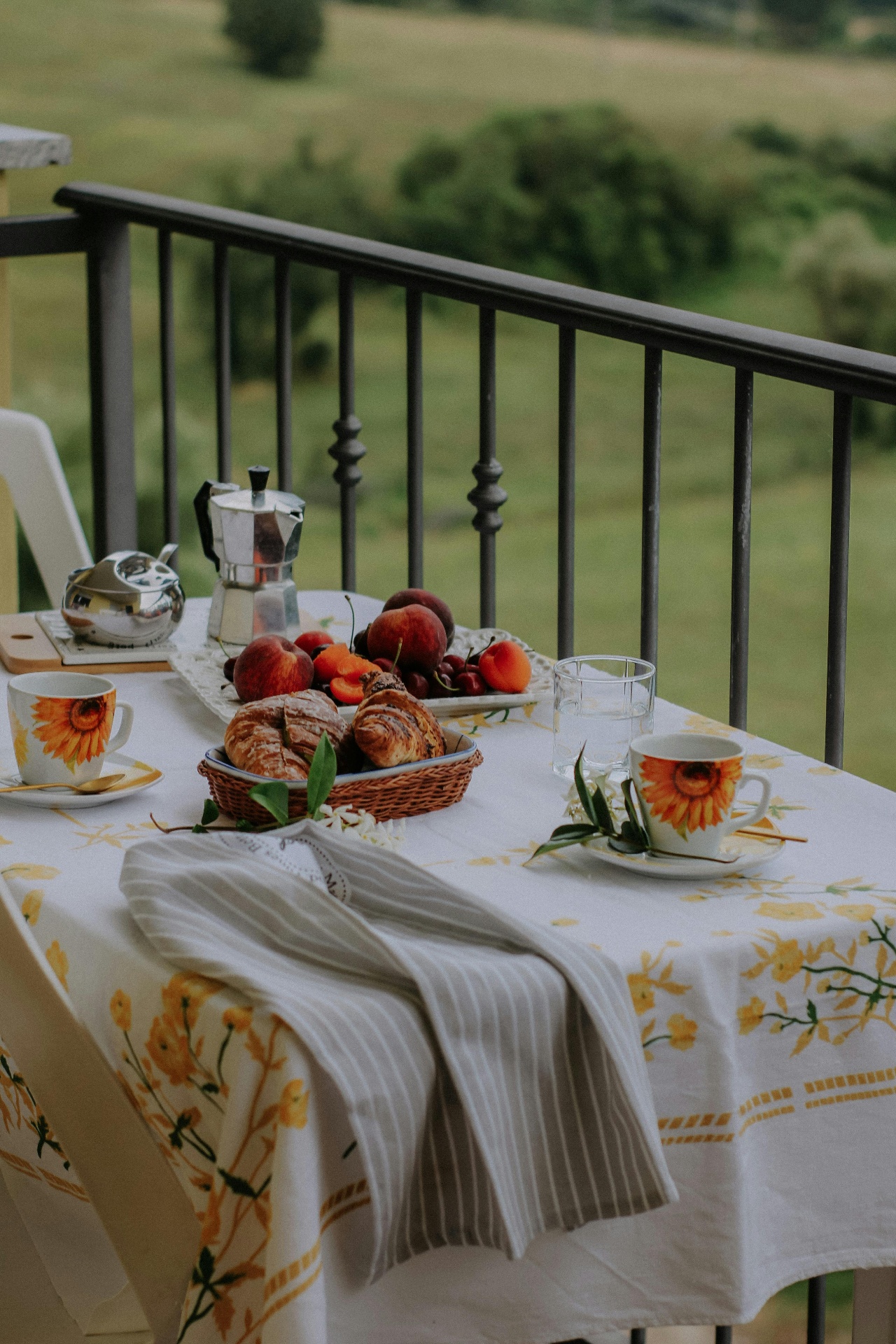
There is a hour in Europe, roughly between six and eight, in which the entire continent reorganizes itself. The shops close. The light goes amber. A specific kind of glass is filled with a specific kind of red, orange, or yellow liquid, and is set down on a specific kind of small table, usually with one or two small dishes that no one quite finishes. The aperitivo is not a meal. It is the hinge between the day and the evening, and the cities that do it best treat it with the seriousness it deserves.
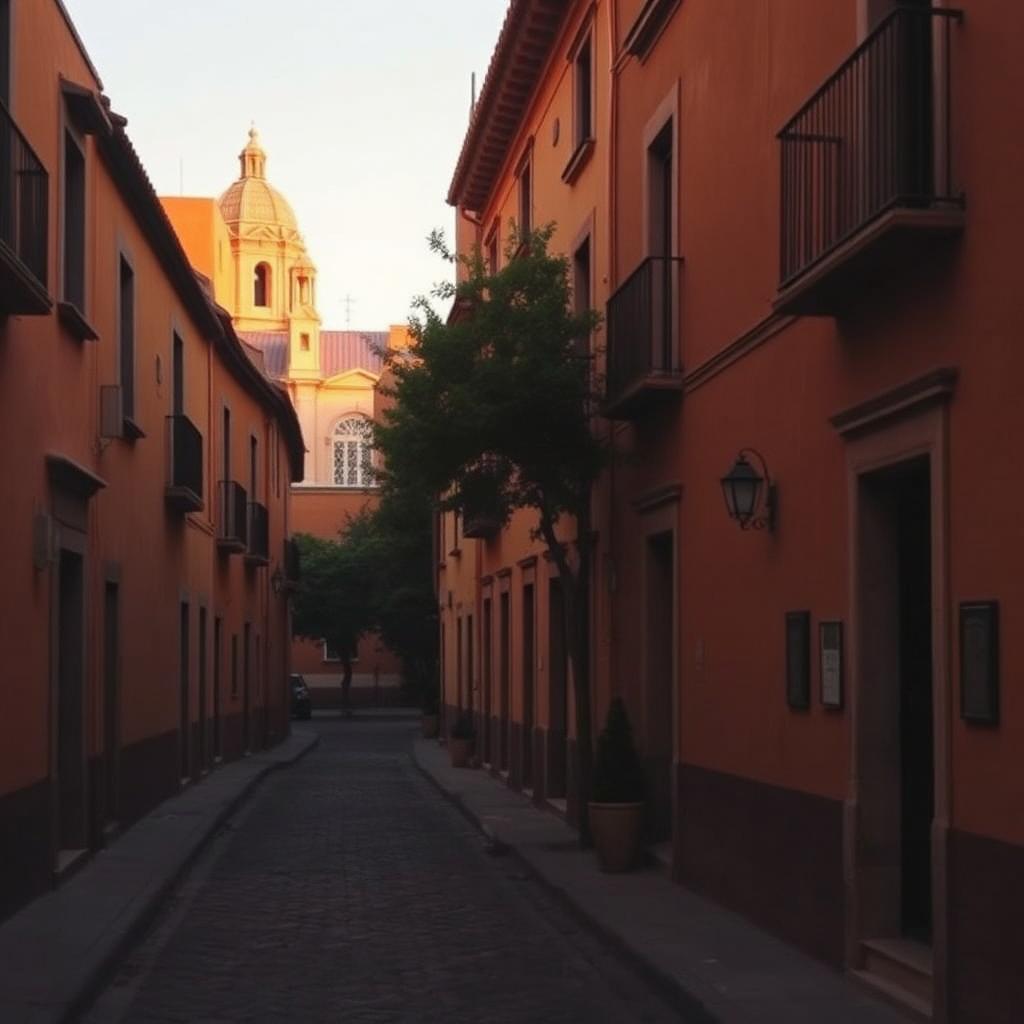
The geography matters. The aperitivo, in its codified form, is northern Italian. Milan invented the Negroni Sbagliato at Bar Basso in 1972, and Bar Basso still pours it, in a tumbler the size of a small vase, exactly as it did then. Three blocks from the Duomo, Camparino in Galleria has been open since 1915 and continues to make the city's most disciplined Campari soda - cold, bitter, served with a single olive and a postage-stamp napkin. In Turin, where vermouth was effectively invented, the aperitivo at Caffè Mulassano under the arcades is a Punt e Mes, served by a waiter in a white jacket, with a small plate of grissini that have been baked, somewhere in the back, that morning.
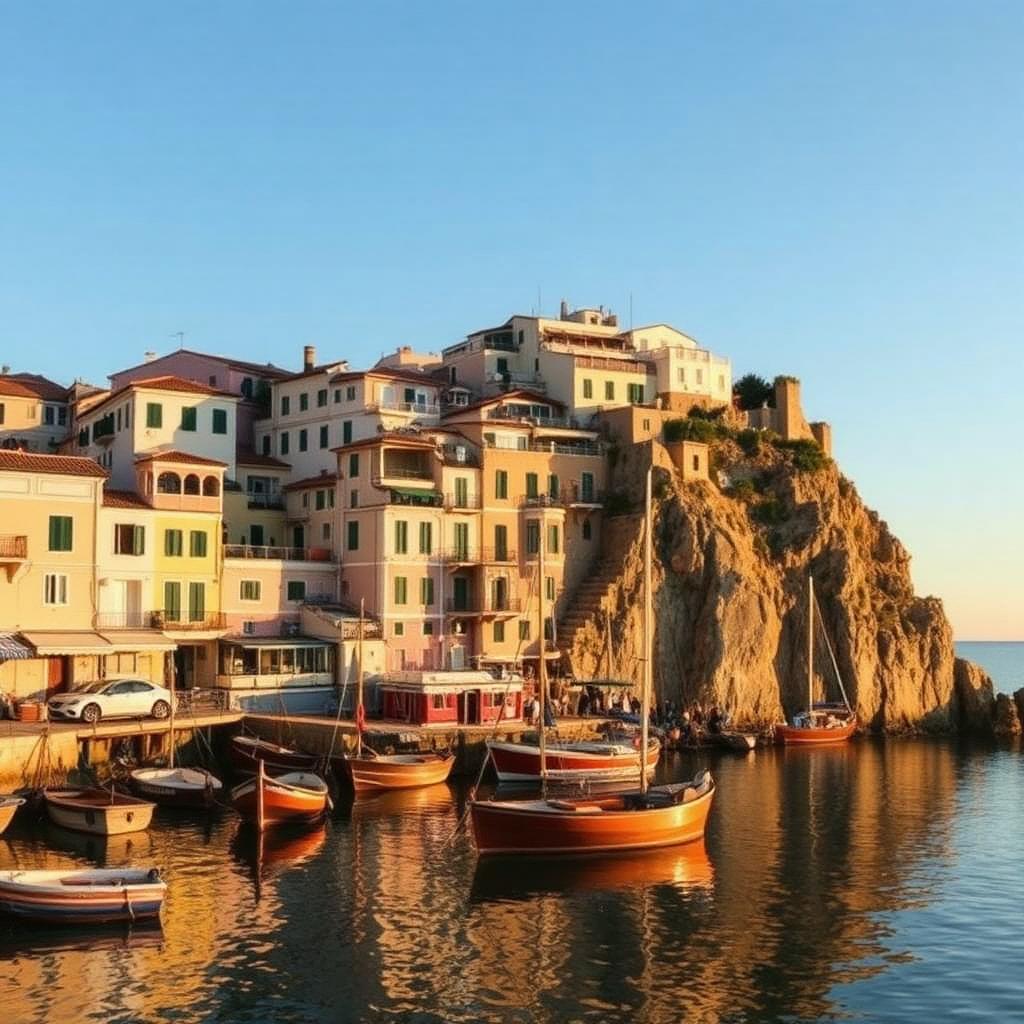
Venice is its own dialect. The cicchetti bars of Cannaregio and San Polo - Cantina Do Spade, Al Timon, Osteria al Squero opposite the gondola yard - serve the spritz that the rest of Italy now imitates, but they serve it with sarde in saor, with baccalà mantecato on grilled polenta, with half a hardboiled egg topped with anchovy. The right move is to stand at the bar with the locals, eat three or four cicchetti standing, drink one ombra of the house white, and move to the next bar two bridges over. Done correctly, an hour passes and one has eaten in five places and spent thirty euro.
“The aperitivo is not a drink. It is the hinge of the day, the half-hour in which the city decides what kind of evening it is going to have.”
Outside Italy, the aperitivo takes on local accents. In Paris, the apéro is a glass of crémant or a kir at a sidewalk table at Le Comptoir in the 6e or at Le Verre Volé in the 10e - olives, radishes with butter, a thin slice of saucisson. In Lisbon, the right move is a glass of dry white port over ice at A Ginjinha or, more seriously, the Pavilhão Chinês in the Bairro Alto, where one can drink a vermouth in a room full of model trains and tin soldiers, which is the kind of detail that ruins a person for ordinary bars. In San Sebastián, the pintxos crawl through the Parte Vieja - Bar Néstor for the tortilla served twice a day and only twice, Borda Berri for the carrillera, La Cuchara de San Telmo for the foie - is the aperitivo turned into a serious culinary expedition.
There are quieter ones we love more. The hour at Café Schäfli in Trogen, Switzerland, where one drinks a small glass of Appenzeller bitters in a wood-paneled room that has not changed since 1828. The terrace of the Hotel Locarno in Rome, where the negroni is correct and the ivy has been growing for ninety years. The bar of the Hôtel Particulier in Montmartre, where the cocktails are unannounced and arrive in colors not seen elsewhere. The marble counter at Bar Giacosa in Florence, where the Americano is poured by the same family that has been pouring it since 1815.
The deeper point, beyond the inventory, is that the aperitivo is the most legible expression of a city's relationship to time. A city that takes the aperitivo seriously is a city that has decided, collectively, that the transition from work to evening is worth marking. It is a city that has refused the American compression of the day into office and home. For a client building a divided life across European cities, the aperitivo is the single most useful daily practice to adopt. It is cheap. It is brief. It is repeated. And it is, more than any other ritual, how one becomes a person who lives in a place rather than passing through it.