The Italian Coast You Haven't Heard Of
Beyond Portofino and Positano: a quieter inventory of seaside towns where the harbor still belongs to the fishermen.
By Samuel Vaden
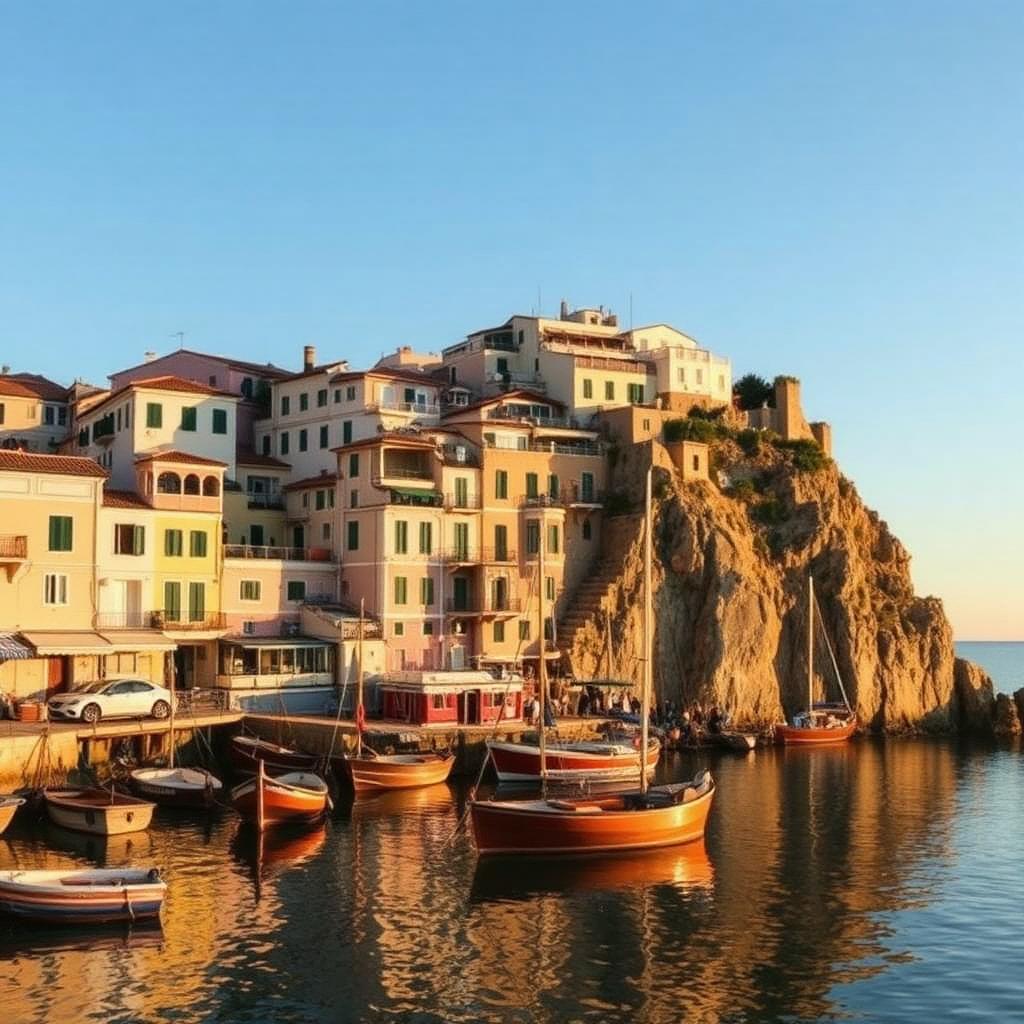
There is an Italian coastline that exists in the imagination, and there is the one that exists in fact. The imagined coast is Portofino in August - sixty yachts in a harbor built for twelve, a single negroni for thirty euro, a queue for a granita. The actual coast, the one our clients quietly acquire into, is somewhere else entirely. It is reached by a smaller road, often a longer one, and it does not appear on the lists that appear on the lists.
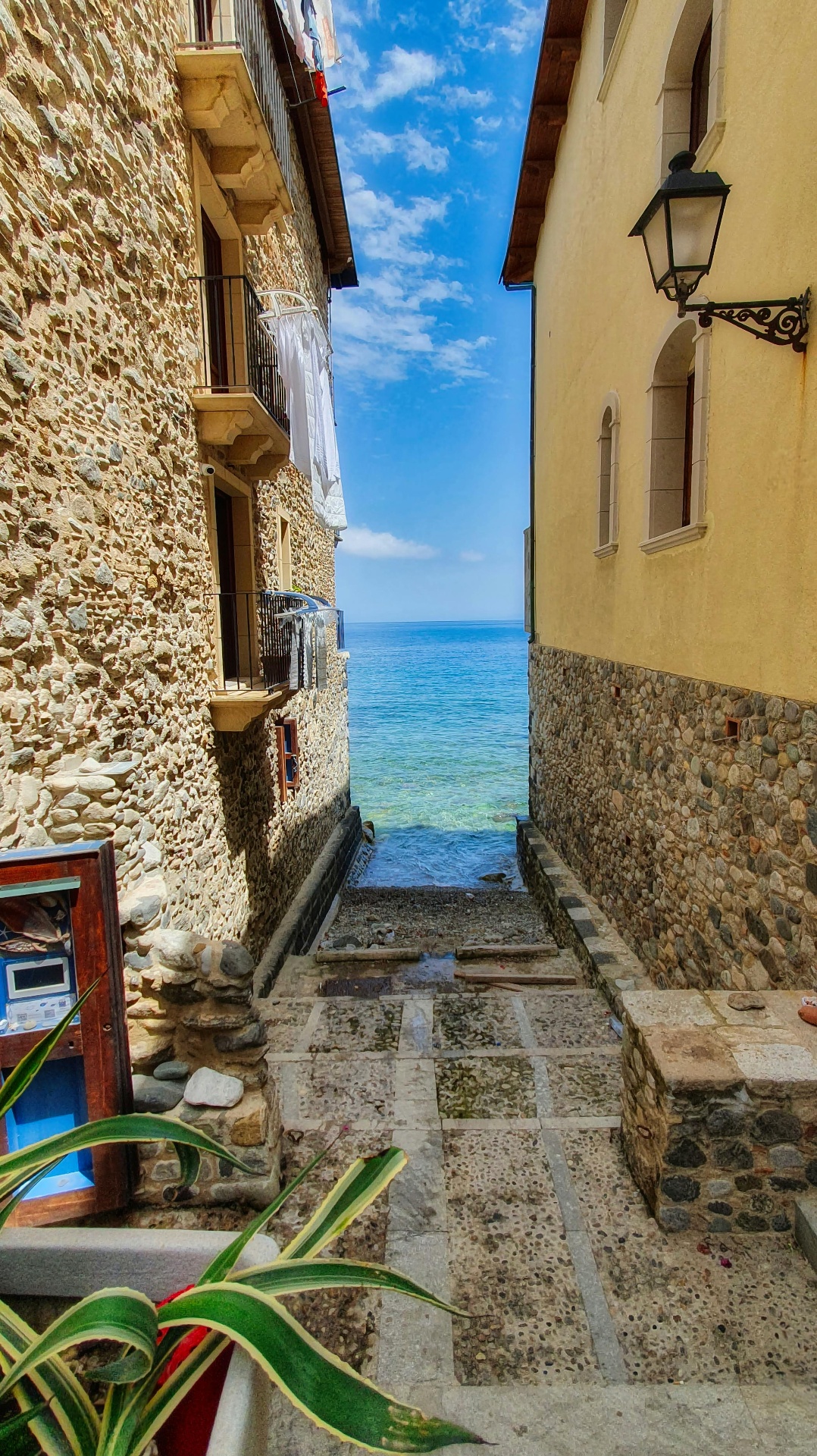
We think of these places in pairs and clusters, because Italy is generous with them. On the Ligurian side, beyond the saturated five villages of the Cinque Terre, there is the entire arc of the Golfo dei Poeti - Tellaro, Fiascherino, the back streets of Lerici - where Shelley wrote and where the harbor still empties at lunch because everyone is at lunch. Further south, in the Maremma, the coast at Talamone and Porto Ercole holds the same Tyrrhenian light that draws clients to Capalbio, but with working ports and a working agricultural hinterland behind them.
The Adriatic side rewards even more patience. The Conero peninsula, south of Ancona, is a limestone headland of white-pebble coves and Verdicchio vineyards that ends, hours later, in the Trabocchi coast of Abruzzo - timber fishing platforms thrown out over the water, now slowly being restored as restaurants where the catch is brought in twenty feet from where it is served. In Puglia, beyond the saturated white of Polignano, the smaller fishing villages of the Salento - Tricase Porto, Castro Marina, the lesser-known stretches of the Adriatic between Otranto and Santa Maria di Leuca - still operate at the cadence of the boats.
“The most considered coastlines in Italy are the ones the photographers have not yet found a reason to fly into.”
Sicily and Sardinia each contain entire coastlines that international buyers have not yet inventoried. On Sicily's western edge, the tonnara towns near Scopello and the salt pans south of Trapani hold a low, late, almost African light. On Sardinia, away from the Costa Smeralda, the southwest coast around Sant'Antioco and the Sulcis islands retains a quietness that the northeast lost forty years ago.
What unites these coastlines is a specific kind of resistance. They have decided, by accident or by ordinance, not to scale. The harbor has not been deepened. The road has not been widened. The trattoria has not opened a second location. There is, as a result, a self-correcting mechanism: the people who arrive are the people who were looking for exactly this, which is to say the people who will not, by their arrival, change it.
Acquiring on these coasts is not difficult. The prices are reasonable by any international standard, and the housing stock - small fishermen's houses, modest cliffside palazzi, occasional convents - has not yet been priced as scarcity. The work is in the looking. The work is in the patience to drive the extra hour, to ask the right priest, to wait for the right Tuesday in February when the right widow decides, finally, to let her grandmother's house go to someone who will keep the shutters the original green. That patience is, in our practice, the entire competency. The coastline is not hidden. It is simply not advertised.